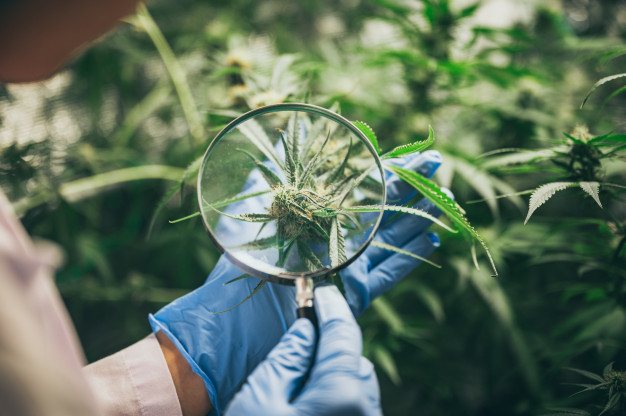
A cannabis bud can look familiar before chemistry enters consideration. Its effects depend heavily on molecular form and heat exposure. That makes thca vs thc a useful distinction for consumers comparing flower types. THCA exists naturally in fresh cannabis before heating begins. THC emerges as heat changes that original compound. The difference also affects labels, expected effects, and legal treatment. Understanding each stage makes product descriptions easier to read.
THCA Flower Begins Before Heating
Fresh cannabis contains THCA as a major cannabinoid. This acidic form differs from intoxicating THC. Before heating, THCA does not produce the same effect. Its chemical structure keeps that experience from occurring in full. Once heat enters, the compound begins losing carbon dioxide. That reaction is called decarboxylation.
- Fresh buds can hold abundant THCA.
- Unheated material retains its acidic form.
- Heat starts changing the molecule.
- The resulting compound becomes THC.
Heat Changes The Cannabinoid Form
Temperature becomes important once flower reaches combustion or vaporization. Heat causes decarboxylation, which converts THCA into THC. The process explains why consumption method matters so much. Smoking exposes plant material to intense heat. Vaping also supplies enough warmth for chemical conversion. Therefore, the starting label cannot tell everything.
Why Labels Can Feel Confusing
Packaging may display THCA, THC, or total potential THC. Each figure describes a different measurement. THCA shows the acidic cannabinoid present before conversion. THC indicates active THC already formed in the sample. Potential THC estimates what heating could produce. Those numbers can therefore tell different stories about one product.
Can THCA Flower Become THC Flower?
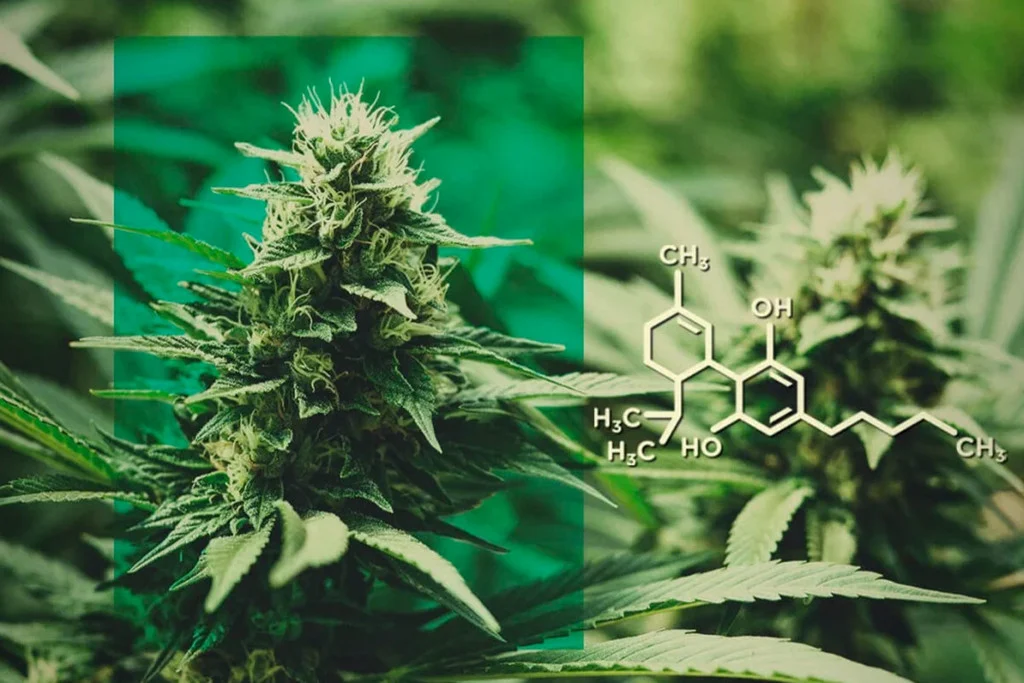
Yes, heating can change the dominant cannabinoid form. That point helps explain thca vs thc without relying on appearance alone. Two buds might share similar color, scent, and texture. Their laboratory profiles can still differ considerably. Once heated, THCA-rich material can generate THC through decarboxylation. The final experience depends on more than appearance.
Legal Rules Depend On Product Details
Legal treatment can vary across jurisdictions and product categories. Cannabinoid source may also influence applicable rules. Testing standards can create another important distinction. A label therefore cannot establish legality by itself. Consumers need current local requirements before making decisions. This matters during purchase, possession, transport, or use.
Chemistry Gives The Clearest Answer
The key distinction begins with molecular structure. THCA represents a precursor that can become THC. Heat acts as the trigger for that transformation. That small chemical change can alter the expected experience. A useful comparison starts with the unheated flower. It ends by considering what happens after heat reaches it.
One Chemical Step Changes The Experience
A THCA-rich bud starts with one chemical form. Heat then changes its molecular identity through decarboxylation. That detail explains why consumption can matter as much as cultivation. The flower’s appearance stays familiar throughout the process. Its chemistry does not, and that difference shapes the final experience.